








SMUGGLERS IN VALCHIAVENNA: THE HISTORY OF THE “SPALLONI” BETWEEN ITALY AND SWITZERLAND
For over a century, between Madesimo, Campodolcino and the Splügen Pass, the “spalloni” crossed the Italian-Swiss border carrying smuggled goods.
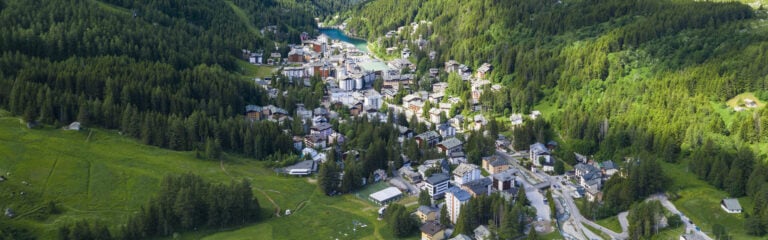
The history of Valchiavenna is a story of crossings, borders and mountains that have never been merely barriers, but also vital routes of communication. For over a century, these mountains were the setting for a practice that was as harsh as it was deeply rooted in local life: smuggling. In particular, in the Valle Spluga, between Madesimo, Campodolcino and the Splügen Pass, the historic spalloni operated, becoming an integral part of the collective memory of the Alpine region.
A BORDER VALLEY: HOW GEOGRAPHY SHAPED HISTORY
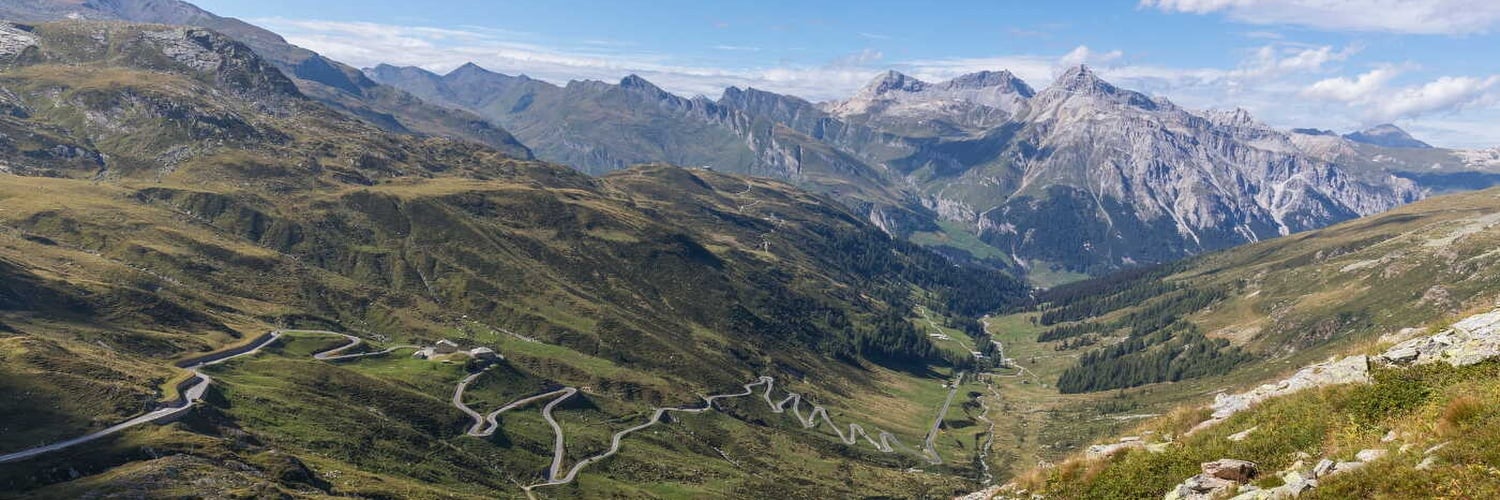
Valchiavenna is a valley connecting the Po Valley with the Alpine passes leading towards Switzerland. For centuries, it served as a natural route for trade and human movement. The most symbolic crossing is the Splügen Pass, which represented both opportunity and risk: legitimate trade on one side, clandestine trafficking on the other. In such a rugged landscape, characterised by mountain trails, snow and isolation, the border was never simply a clearly defined line, but a living, accessible area that people could cross.
WHY SMUGGLING TOOK ROOT IN VALCHIAVENNA
Smuggling in this area has much older roots than many people realise. The Duchy of Milan had already clashed with Swiss territories over control of the grain trade towards Switzerland. However, a specific date marked the beginning of the modern era of smuggling: 31 December 1803, when Napoleon's Italian Republic introduced state monopolies on salt, tobacco and gunpowder, triggering a steady flow of goods illegally transported across the border.
In the following decades, several factors fuelled the practice: significant price differences between Italy and Switzerland, high taxes on certain goods, widespread poverty in Alpine communities, a lack of stable employment during the winter months, and the difficulty of thoroughly policing the border. During the Italian unification movement, known as the Risorgimento, people began to be smuggled alongside goods. Italian patriots fleeing the Austrian police often relied on the spalloni and their intimate knowledge of the border trails.
THE “SPALLONI”: MOUNTAIN SMUGGLERS
The spalloni were the main figures in this parallel economy. Their name derives from the loads they carried on their shoulders (spalle), packed into traditional bricolle — large carrying packs — and often concealed beneath heavy jackets or inside jute sacks. The operation typically involved a padrone, or organiser, who managed contacts and goods; a group leader who coordinated the combriccola, or smuggling party; and the spalloni themselves, who physically crossed the mountain trails.
These were men who knew the mountains inside out. They could navigate at night, in deep snow and in virtually any weather conditions. The work required much more than physical strength: it demanded an intimate knowledge of the terrain, excellent navigation skills and extraordinary endurance.
THE ROUTES BETWEEN MADESIMO AND SWITZERLAND
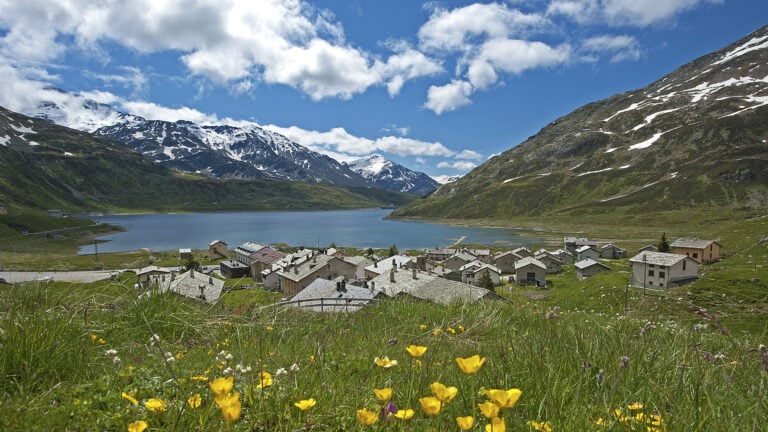
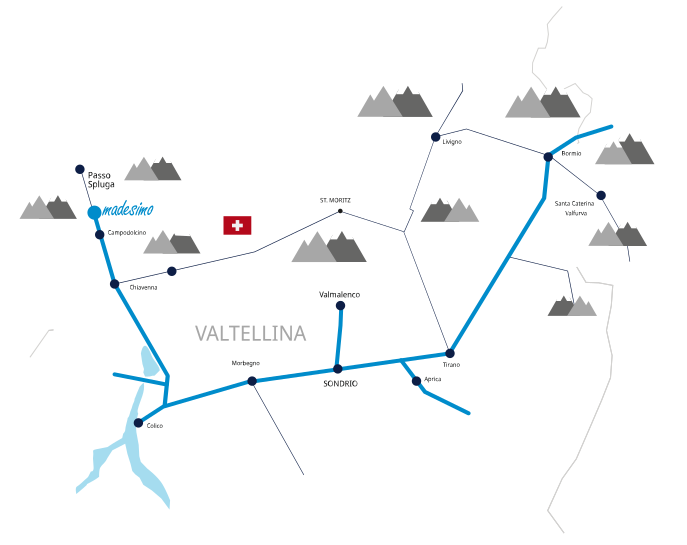
The Valle Spluga was one of the main corridors for smuggling between Italy and Switzerland. The routes largely followed the course of the historic Via Spluga, an ancient Roman road connecting Chiavenna to Thusis via the mountain pass. The most frequently used routes passed through Madesimo, Montespluga and the Splügen Pass, as well as the striking Cardinello Gorge, one of the most challenging sections of the entire route.
Crossings often took place at night, with routes chosen according to snow conditions and visibility. The spalloni avoided the main roads, preferring mule tracks, woodland paths and exposed mountain passages. The landscape became both an ally and a challenge: the mountains offered concealment while putting their endurance and skills to the test.
WHAT WAS SMUGGLED?
The goods transported varied according to the historical period and the direction of travel. Until the Second World War, coffee was the main commodity, carried from Switzerland into Italy.
During the war, when isolation made supplies from Switzerland difficult to obtain, the flow partially reversed: foodstuffs such as butter were transported in the opposite direction, towards Switzerland. Cigarettes, sugar and alcoholic beverages were also among the goods that were difficult to obtain or heavily taxed.
THE 20TH CENTURY: BORDER CONTROLS AND THE GUARDIA DI FINANZA
As smuggling increased, border controls also intensified, with the Guardia di Finanza, Italy's financial police, taking on a key role. The relationship between smugglers and officers was often complex. Officially, they were adversaries, yet in many cases they came from the same villages or even knew each other personally. This sometimes led to mutual tolerance or even cooperation. One example dates back to 1941, when several smugglers helped search for three financial police officers who had been caught in an avalanche in Val Vigezzo.
Smuggling reached its peak between the mid-19th century and the 1960s, before gradually declining as economic conditions improved and changes in the Swiss franc exchange rate made the activity less profitable.
RISKS, HARD WORK AND SNOW: LIFE AS A SPALLONE
Being a spallone meant facing extreme conditions: night crossings in the silence of the mountains, deep snow, avalanche risks, heavy loads carried on the shoulders, and the constant threat of being stopped and arrested. Many stories passed down through the valleys of the Lombardy Alps tell of men who knew every rock along their routes but still approached the mountains with a mixture of respect and fear. This was work that left no room for improvisation.
Today, smuggling no longer exists as an economic activity in the way it once did, but its memory remains alive throughout the valley. It survives in family stories, local anecdotes and the cultural heritage of Valchiavenna and the neighbouring valleys, where it forms part of the area's historical identity.
FROM SMUGGLING TO TOURISM: DISCOVERING THE HISTORIC TRAILS
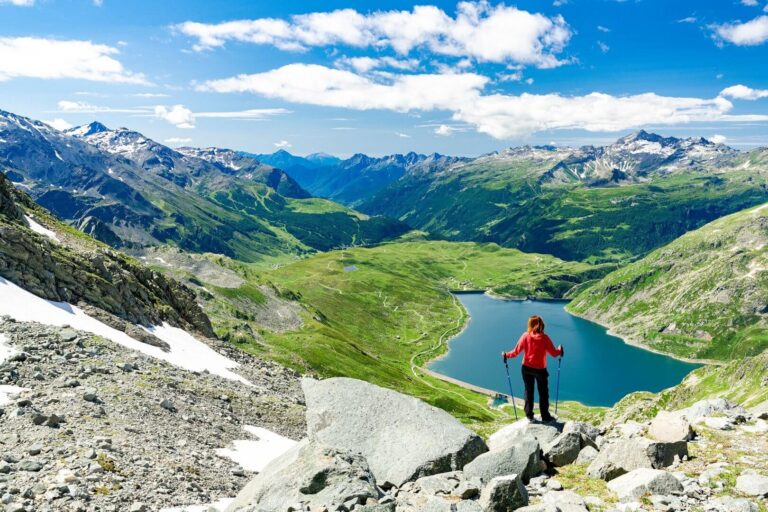
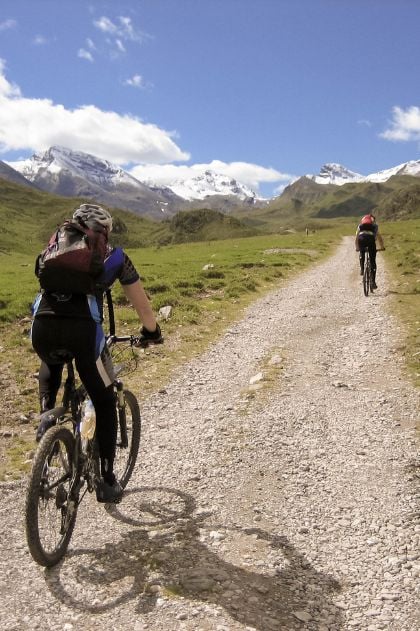
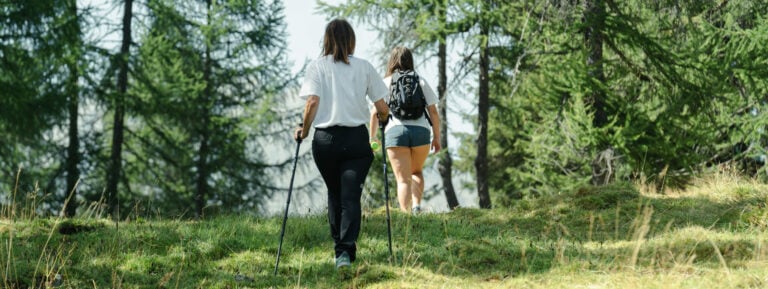
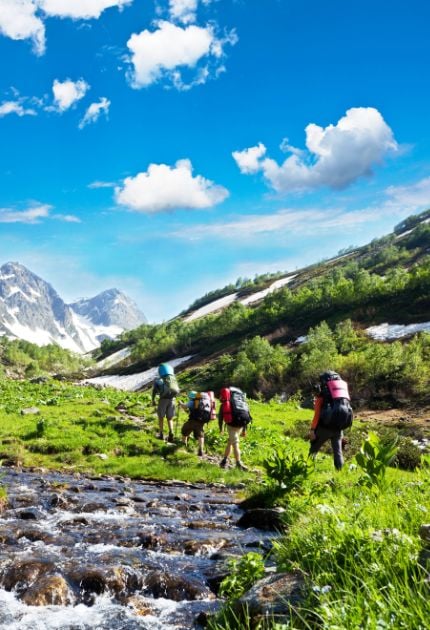
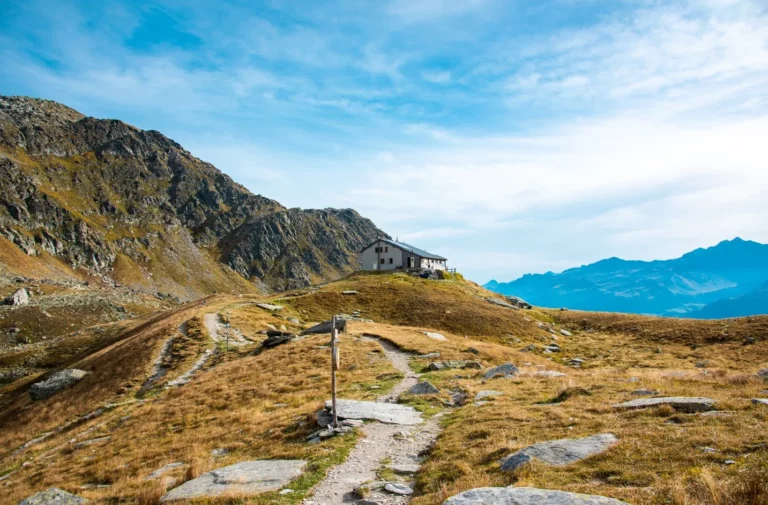
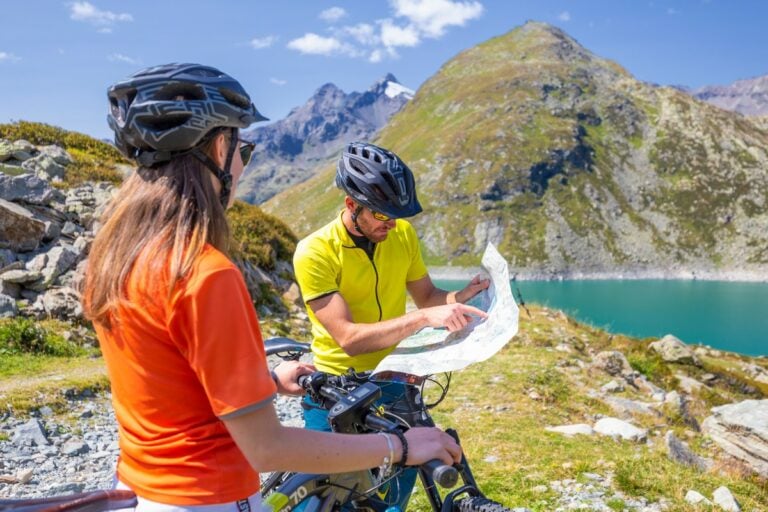
Today, the trails once used by the spalloni have become hiking routes that tell a different story, while remaining deeply connected to the local landscape and its past. The Valle Spluga and the Madesimo area offer routes that allow visitors to discover the landscape from a new perspective: not just as a place of natural beauty, but also as a repository of local history and memory.
Practical information about historic trails
- Via Spluga – Campodolcino to Madesimo section (Via delle Cascate): Starting point at the Mu.Vi.S. Museum in Campodolcino (1,071 m), finishing in Madesimo (1,550 m). Approximately 3 hours one way, with an elevation gain of around 500 m. An easy route along a marked trail and a disused old Austrian carriage road. Along the way, visitors can admire the Pianazzo Waterfall and the Catino Waterfall.
- Cardinello Gorge: Starting point in Pianazzo, a hamlet of Madesimo approximately 2 km from the town centre. Moderately challenging to demanding, with around 2.5 hours of walking each way. The route follows the historic Via Spluga and includes walkways and exposed sections.
- The “In the Footsteps of the Smugglers” trail in Val Bodengo: From Bodengo, in the municipality of Gordona, towards Alpe Notar and Bocchetta del Notar, a historic crossing between Italy and Switzerland used by the spalloni from the 19th century onwards. A demanding route recommended only for experienced mountain hikers. A daily pass is required to access Val Bodengo.
- The historic Via Spluga – the full Thusis to Chiavenna route: A total of 65 km across the Splügen Pass (2,115 m), divided into several stages. An ideal option for those seeking a longer, more structured journey along this historic cross-border route.
WHERE TO LEARN MORE: THE Mu.Vi.S. MUSEUM IN CAMPODOLCINO
For anyone wishing to discover the history of the Via Spluga and the Val San Giacomo area, the main point of reference is the Mu.Vi.S. – Museum of the Via Spluga and Val San Giacomo, located in Piazza Sant'Antonio, Frazione Corti, Campodolcino. The museum has mapped 14 themed itineraries throughout the area, including historical, nature and ethnographic routes that explore the region's heritage and its cross-border culture.
WHEN TO EXPLORE THE TRAILS OF MEMORY
The historic trails associated with smuggling are generally accessible from June to September, when snow conditions allow, particularly on more demanding sections such as Cardinello Gorge. Lower-altitude routes, such as the Campodolcino–Madesimo section, may also be accessible in spring and early autumn, depending on weather and trail conditions.
FOLLOW IN THE FOOTSTEPS OF THE SMUGGLERS
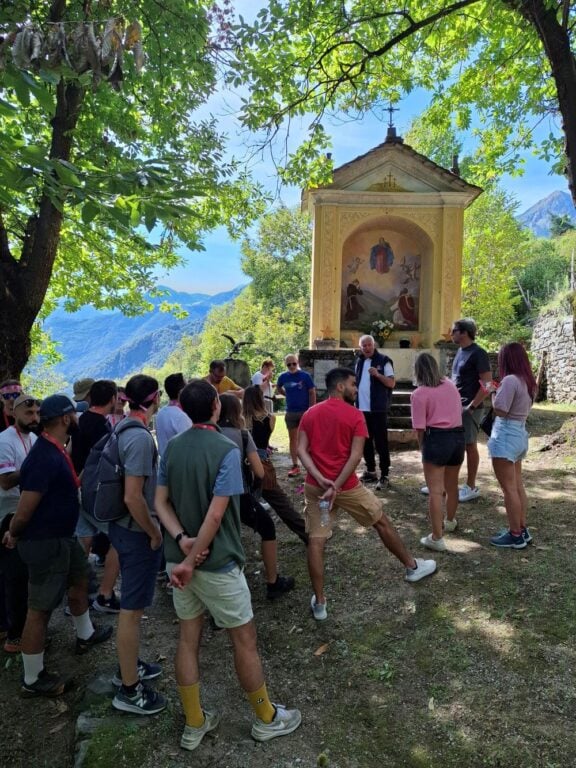
The story of the spalloni lives on along the trails leading from Campodolcino towards Madesimo and the Splügen Pass. Discover these historic routes, visit the Mu.Vi.S. Museum to learn more about the Via Spluga, or contact the Madesimo Tourist Office to arrange a guided hike following in the footsteps of the smugglers.